TVET Courses: High-Paying Career Paths in South Africa
For many South Africans considering their career paths, Technical and Vocational Education and Training (TVET) colleges offer a compelling alternative to traditional university degrees. These institutions provide practical, skills-based training designed to equip individuals for specific jobs in industries that are often in high demand. Contrary to a common misconception, TVET certifications can open doors to highly paid positions across various sectors, leading to significant earning potential and faster entry into the workforce through specialized vocational training.
Why Choose TVET for a Lucrative Career Path?
One of the primary advantages of TVET pathways is the shorter duration of study compared to a four-year university degree. Many TVET certificate programs can be completed in as little as three to six months, while trade school programs typically range from six months to two years. This expedited training means you can enter the South African job market and start earning sooner through relevant TVET courses.
Beyond speed, TVET courses often offer a cost-effective route. Tuition for many certificate programs can range from approximately R9,000 to R90,000 (roughly $500 to $5,000), significantly less than many university fees. There are also opportunities for scholarships and flexible payment plans to ease the financial burden. Furthermore, some vocational pathways, especially apprenticeships, provide paid training, allowing individuals to earn a salary while acquiring valuable skills and practical experience.
The focus on practical, hands-on training, apprenticeships, and internships ensures that graduates are job-ready. This real-world experience is invaluable, often leading to quicker employment compared to purely academic routes and potentially less student debt, making TVET an attractive option for high-paying jobs in South Africa.
High-Paying Vocational Careers Through TVET Training
The idea that vocational jobs are low-paying is outdated. Many roles accessible through TVET training offer competitive salaries, often comparable to or even higher than the median starting salaries of some bachelor's degree graduates. Here are some examples of high-paying vocational careers attainable with TVET qualifications:
- Elevator and Escalator Installers and Repairers: These specialists are crucial for urban infrastructure, often earning a median annual salary between R1.8 million and R2 million (approximately $99,000 - $106,580).
- Construction Managers: Overseeing building projects, construction managers can command a median annual salary of R1.9 million to R2.0 million (approximately $101,480 - $106,980).
- Dental Hygienists: In the healthcare sector, dental hygienists play a vital role in oral health, with median annual salaries ranging from R1.5 million to R1.7 million (approximately $81,400 - $94,260).
- Diagnostic Medical Sonographers: These professionals use imaging technology to diagnose medical conditions, earning median annual salaries between R1.5 million and R1.6 million (approximately $84,470 - $89,340).
Other lucrative TVET-related jobs include Nuclear Power Reactor Operators, Power Distributors and Dispatchers, Aircraft Mechanics, Electricians, HVAC Technicians, and IT Support Specialists. These roles are essential across various industries and consistently see strong demand, contributing to the appeal of TVET courses for skilled trades in South Africa.
The Value of Practical TVET Training and Skill Development
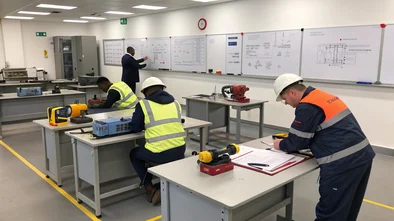
TVET programs are designed to be highly practical. They immerse students in real-world scenarios, often using industry-standard equipment and techniques. This hands-on approach is complemented by apprenticeships and internships, which are critical components of vocational training. These opportunities allow students to apply their classroom knowledge in professional settings, build professional networks, and gain valuable experience even before graduating from TVET colleges.
This focus on immediate applicability means that TVET graduates often possess a specialized skill set that is directly relevant to the needs of employers. Industries such as IT, healthcare, engineering, and various skilled trades constantly seek qualified professionals with practical expertise, making TVET graduates highly employable for high-paying jobs.
TVET Entry Requirements and South African Qualifications
Generally, entry requirements for many trade jobs and TVET courses include a high school diploma or its equivalent. Some specialized roles may require additional licensure, certifications, or endorsements specific to the industry or region. It's important for prospective students to research the specific requirements for their chosen field within South African TVET colleges.
In South Africa, the landscape of vocational qualifications is evolving. While traditional NATED N4-N6 qualifications have been a cornerstone of TVET, there is a gradual shift towards Occupational Qualifications. These new qualifications are designed to be even more aligned with industry needs, ensuring that training directly addresses the competencies required for specific occupations. Students should ensure they are pursuing qualifications that are recognized and valued in the current South African job market, which can lead to high-paying jobs through TVET certifications.
Frequently Asked Questions About TVET Courses
Which TVET courses lead to the highest salaries in South Africa?
Some of the TVET courses that can lead to high-paying jobs in South Africa include training for Elevator and Escalator Installers and Repairers, Construction Managers, Dental Hygienists, Diagnostic Medical Sonographers, Nuclear Power Reactor Operators, Aircraft Mechanics, Electricians, and IT Support Specialists.
What are the entry requirements for TVET programs in South Africa?
Most TVET programs and trade jobs require a high school diploma or its equivalent. Specific fields may also require additional licenses, certifications, or endorsements. It's advisable to check the requirements for your chosen TVET course at the specific college.
Are TVET qualifications recognized by employers?
Yes, TVET qualifications are highly recognized and valued by employers, especially those seeking practical, job-ready skills. The shift towards Occupational Qualifications in South Africa further enhances their industry alignment and recognition for various skilled trades.
How long do TVET programs typically take to complete?
The duration of TVET programs varies. Many certificate programs can be completed in 3 to 6 months, while comprehensive trade school programs typically range from 6 months to 2 years, offering a faster route to high-paying jobs compared to traditional university degrees.
Conclusion
TVET courses present a robust and highly rewarding pathway to a successful career in South Africa. By offering practical, hands-on training in shorter timeframes and at a potentially lower cost, TVET provides a fast track to high-paying jobs in in-demand sectors. For those seeking quicker employment, less student debt, and a direct route to a skilled and well-compensated profession, exploring TVET options can be an excellent strategic decision for their future and a smart investment in vocational training.