Top Career Paths for South African Graduates in 2026: Where the Jobs Are
As South Africa navigates a dynamic global landscape, its job market is undergoing significant transformations. For graduates eyeing their future in 2026, understanding where the opportunities lie is crucial for building a successful and fulfilling career. This comprehensive guide delves into the booming sectors, identifies in-demand career paths, and offers actionable advice on how to prepare, acquire the right skills, and leverage practical experience, including invaluable learnerships, to thrive in the evolving South African economy.
The economic shifts, driven by rapid technological advancements, environmental concerns, and a growing emphasis on digital transformation, are creating new roles and reshaping existing ones. Graduates who are adaptable, possess critical skills, and actively seek out opportunities in these growth areas will be well-positioned for success. Let's explore the future of work in South Africa and how you can become an integral part of it.
The Evolving Landscape of the South African Job Market
South Africa's job market is characterized by both challenges and immense potential. While unemployment remains a concern, particularly among the youth, specific sectors are experiencing robust growth and a critical demand for skilled professionals. Understanding these macro trends is the first step towards making informed career choices.
Key Drivers of Change:
- Digital Transformation: The acceleration of digitalization across all industries, from retail to finance, manufacturing, and healthcare, is creating a massive demand for tech-savvy individuals.
- Green Economy Initiatives: South Africa's commitment to renewable energy and sustainable development is opening up new career avenues in environmental management, engineering, and related fields.
- Healthcare Demands: A growing population, coupled with persistent health challenges, continues to drive the need for a strong and skilled healthcare workforce.
- Global Supply Chain Complexities: Recent global events have highlighted the importance of robust and efficient supply chains, increasing the demand for logistics and operations experts.
Booming Sectors and In-Demand Career Paths
Based on current trends and future projections, several sectors stand out as prime areas for graduate employment in 2026. These fields are not only experiencing growth but are also actively seeking fresh talent with up-to-date skills.
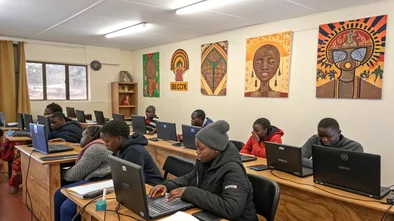
1. Digital Technology and Data Science
The digital economy is the undisputed frontrunner in job creation. Every sector, from banking to agriculture, is leveraging technology, creating an insatiable demand for IT professionals.
- Artificial Intelligence (AI) and Machine Learning (ML) Specialists: As businesses seek to automate processes and gain insights, AI/ML engineers, data scientists, and AI trainers are becoming indispensable. Skills in Python, R, TensorFlow, and deep learning frameworks are highly valued.
- Data Analysts and Scientists: With an explosion of data, the ability to collect, analyze, and interpret complex datasets is critical. Roles include data analysts, business intelligence developers, and data engineers. Strong statistical knowledge and proficiency in tools like SQL, Excel, Python, and visualization platforms (e.g., Tableau, Power BI) are key.
- Cybersecurity Professionals: As digital threats proliferate, protecting data and systems is paramount. Security analysts, ethical hackers, and security engineers are in high demand to safeguard digital assets.
- Software Developers and Web Developers: From mobile apps to enterprise software, the need for skilled coders remains strong. Expertise in languages like Java, JavaScript, Python, C#, and frameworks like React or Angular is essential.
2. Healthcare and Wellness
The healthcare sector in South Africa continues to be a cornerstone of employment, driven by public health needs, private sector expansion, and advancements in medical technology.
- Nurses and Allied Health Professionals: There is a persistent shortage of qualified nurses, physiotherapists, occupational therapists, and radiographers. These roles offer stable employment and a direct impact on community well-being.
- Medical Doctors and Specialists: While requiring extensive training, the demand for general practitioners and specialists in various fields remains high across both public and private health systems.
- Health Informatics and Technology: The intersection of healthcare and technology is growing. Roles in health data management, telemedicine support, and medical device technical support are emerging.
3. Supply Chain Management and Logistics
With increasing urbanization, e-commerce growth, and the complexities of global trade, efficient movement of goods and services is paramount. This sector offers diverse opportunities for graduates.
- Logistics and Distribution Managers: Overseeing the storage and flow of goods, these professionals are crucial for both local and international trade. Skills in inventory management, warehousing, and transportation are vital.
- Procurement Specialists: Sourcing and purchasing goods and services efficiently is key to a company's profitability. Strong negotiation and analytical skills are required.
- Supply Chain Analysts: Using data to optimize supply chain processes, identify efficiencies, and mitigate risks. Expertise in data analysis and supply chain software is beneficial.
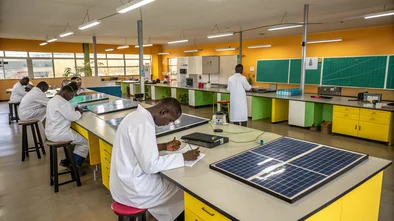
4. Renewable Energy and Green Economy
South Africa's energy transition is creating a significant push towards renewable sources, opening up new frontiers for employment and innovation.
- Renewable Energy Technicians and Engineers: Specialists in solar, wind, and hydropower installation, maintenance, and system design are highly sought after. Electrical engineering and mechanical engineering backgrounds are strong foundations.
- Environmental Scientists and Consultants: Assessing environmental impacts, developing sustainable practices, and ensuring regulatory compliance are critical roles in a greener economy.
- Sustainability Managers: Companies are increasingly hiring professionals to integrate sustainable practices into their operations and corporate strategy.
5. Education and Skills Development
Investing in human capital remains vital for national development. The education sector, especially with a focus on digital literacy and vocational training, will continue to expand.
- TVET College Lecturers and Assessors: With a national drive to equip young people with practical skills, the demand for qualified lecturers and assessors in Technical and Vocational Education and Training (TVET) colleges, particularly in trades and technical fields, is set to grow.
- Digital Learning Specialists: As blended and online learning becomes more prevalent, experts in instructional design, e-learning content creation, and educational technology will be crucial.
How to Prepare: Skills, Qualifications, and Practical Experience
Securing a desirable position in 2026 requires more than just a degree; it demands a strategic approach to skill development and gaining relevant exposure.
Essential Skills for the Future:
- Critical Thinking and Problem-Solving: The ability to analyze complex situations and devise effective solutions is invaluable across all industries.
- Adaptability and Resilience: The pace of change is accelerating. Graduates must be flexible, open to new ideas, and able to navigate uncertainty.
- Digital Literacy: Beyond basic computer skills, this includes understanding data, cybersecurity principles, and proficiency with relevant software and platforms.
- Communication and Collaboration: Strong verbal and written communication, coupled with the ability to work effectively in diverse teams, remains a cornerstone of professional success.
- Creativity and Innovation: Employers value individuals who can think outside the box and contribute fresh perspectives.
The Value of Relevant Qualifications:
A relevant degree or diploma from a recognized institution provides the foundational knowledge. However, continuous learning is key. Consider:
- Specialized Certifications: Complement your degree with industry-recognized certifications (e.g., AWS, Cisco, Google Analytics, PMP) to demonstrate specialized skills.
- Online Courses and MOOCs: Platforms like Coursera, edX, and Udemy offer excellent opportunities to upskill in emerging technologies and soft skills.
The Power of Practical Experience: Internships and Learnerships
Employers consistently prioritize candidates with practical experience. This is where Learnerships play a pivotal role in the South African context. Learnerships are structured workplace learning programmes that lead to a nationally recognized qualification. They offer a direct bridge between theoretical knowledge and real-world application.
- Gain Hands-On Experience: Learnerships provide valuable on-the-job training, allowing graduates to apply their academic knowledge in a professional environment. This is often an employer's preferred entry point for new talent.
- Develop Industry-Specific Skills: Through a learnership, you acquire practical skills tailored to the specific demands of a sector, making you more immediately employable.
- Network and Build Connections: Learnerships offer unparalleled opportunities to meet industry professionals, build a professional network, and gain mentors.
- Potential for Permanent Employment: Many companies use learnerships and internships as a pipeline for recruiting their future workforce, often leading directly to permanent positions upon successful completion.
- Earn While You Learn: Most learnerships provide a stipend, which is a significant benefit for graduates entering the workforce.
Actively seek out learnership programmes advertised by SETAs (Sector Education and Training Authorities), government departments, and private companies. These programmes are tailored to address critical skill shortages in various industries, making them an excellent pathway into booming careers.
Navigating the Job Market: Strategies for Success
Beyond skills and qualifications, a proactive approach to job searching is essential.
Networking and Personal Branding:
- Build a Strong Online Presence: Optimize your LinkedIn profile, showcasing your skills, projects, and endorsements. Participate in industry-relevant discussions.
- Attend Industry Events: Participate in career fairs, workshops, and webinars to meet potential employers and learn about new trends.
- Mentorship: Seek out mentors who can offer guidance, introduce you to contacts, and share insights into your chosen field.
Leveraging Graduate Programs:
Many large corporations in South Africa offer structured graduate development programs. These programs provide intensive training, exposure to different departments, and often lead to fast-tracked career progression. Research companies in your target sectors for their graduate intake initiatives.
Continuous Learning and Adaptability:
The job market of 2026 will continue to evolve. Cultivate a mindset of lifelong learning. Stay updated with industry news, be willing to acquire new skills, and embrace change as an opportunity for growth.
Conclusion
The South African job market in 2026 presents exciting opportunities for graduates willing to adapt and proactively shape their careers. By focusing on high-growth sectors like digital technology, healthcare, supply chain, and renewable energy, coupled with a commitment to continuous skill development and gaining practical experience through pathways like learnerships, you can position yourself for a rewarding professional journey. Embrace the future with confidence, equipped with the knowledge and preparation to thrive in South Africa's evolving economic landscape.
Your future in 2026 is not just about finding a job; it's about building a career that is relevant, impactful, and aligned with the nation's progress. Start preparing today, and unlock your potential in South Africa's most promising career paths.